Conclusion:
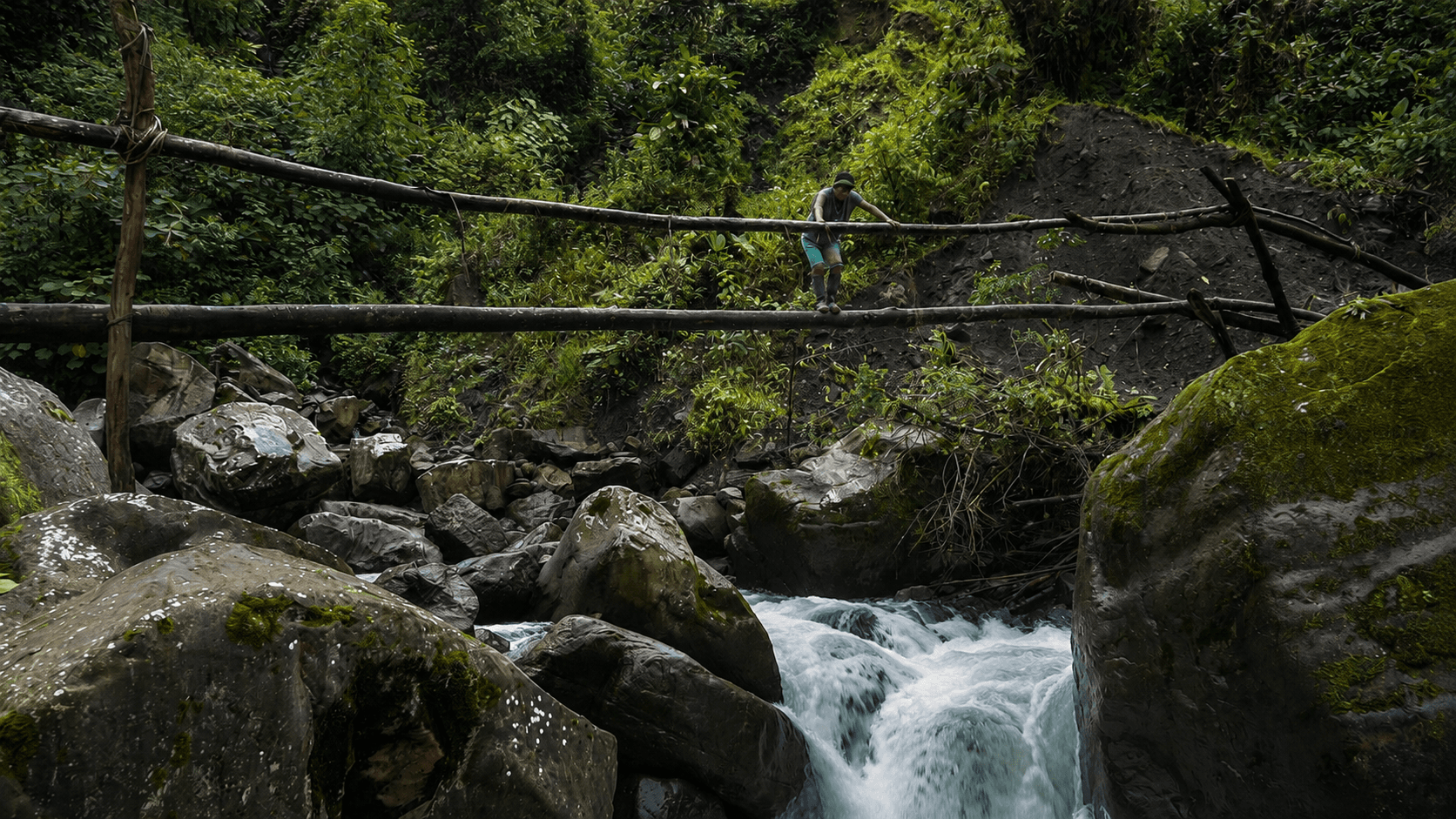
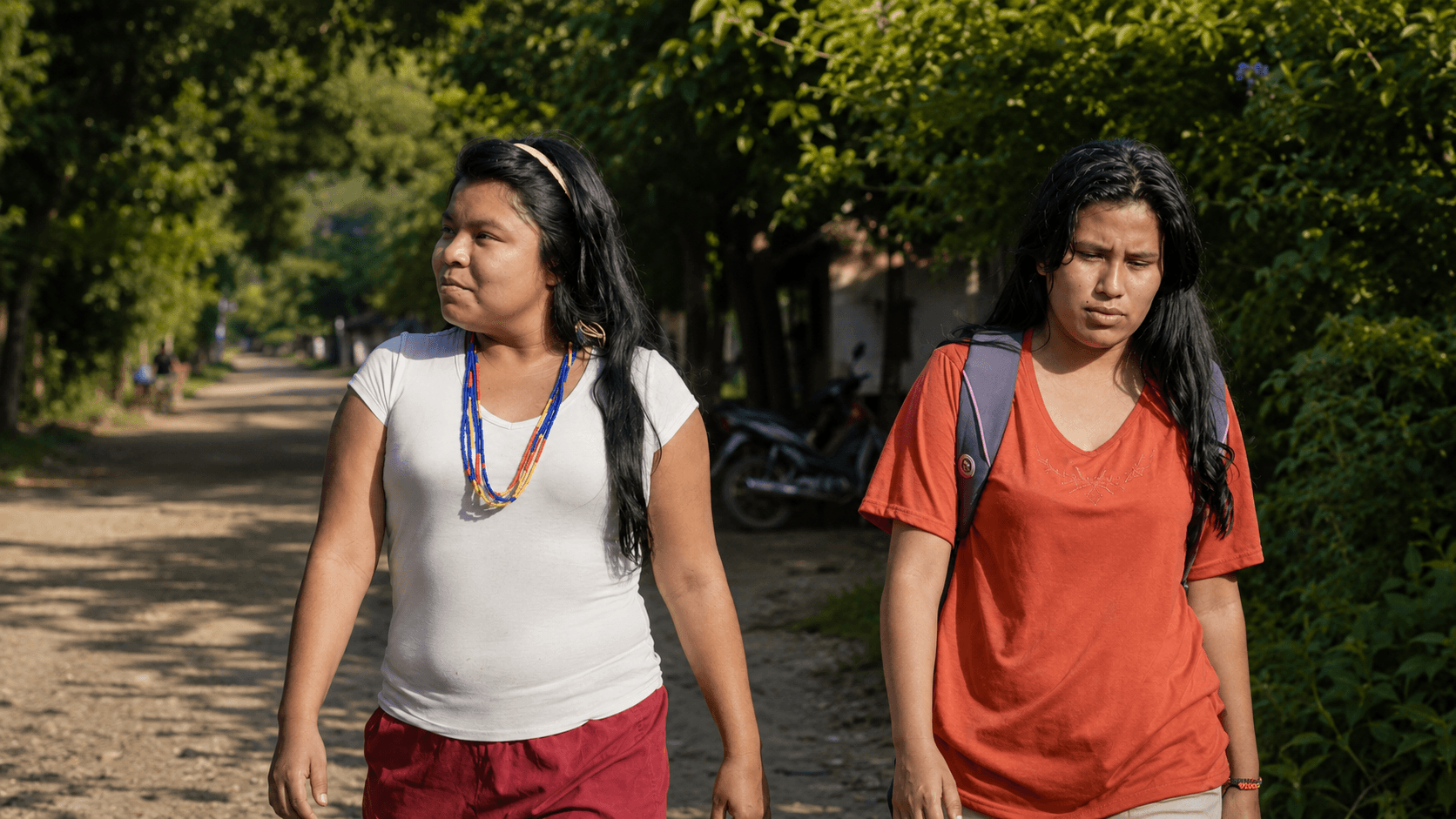
Kaj aba obiryakaro presents territory not as a resource to be exploited, but as a living source of knowledge, memory and spiritual responsibility. By centering U’wa voices, the documentary invites audiences to reconsider the relationship between people, land and collective survival.
As an U’wa filmmaker, I want to bring other ways of understanding the world into contemporary visual storytelling. My perspective allows me to create from lived cultural knowledge while building bridges with audiences beyond my community.
This project reflects my approach to documentary filmmaking: listening deeply, respecting cultural context and transforming lived experience into stories people can feel, understand and remember.